Extreme summer heat prompts discussion on future warehouse design
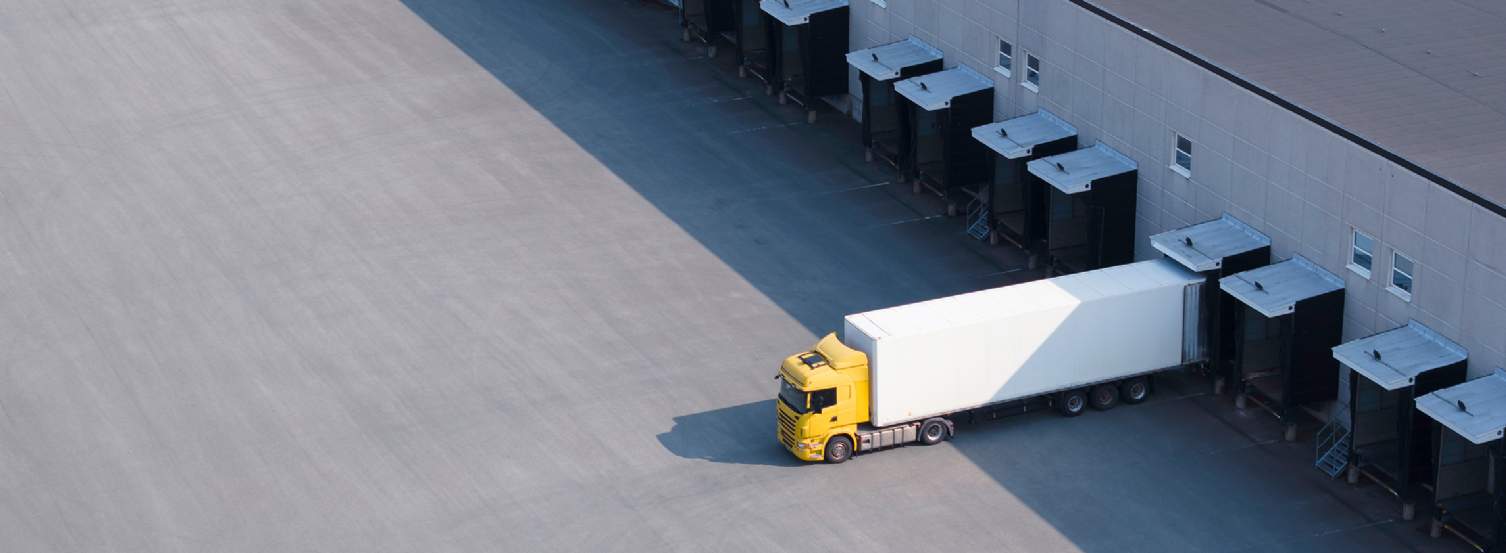
Despite continued geopolitical headwinds, the UK I&L market continues to perform well from an occupier demand perspective, with take-up reaching 24 .1 million sq ft as we head into the fourth quarter. Whilst this is down from 2025, build-to-suit (BTS) deals, which would ordinarily bolster the numbers, have been hard to come by as occupiers and developers wrestle with viability challenges. A positive marker for the sector has been an unexpected uptick in the speculative pipeline. As we head into year -end, developers have 11.6 million sq ft of speculative space under construction, up 41% from the end of H1. However, the strong quarter-on-quarter rise masks the long-term trend of reduced speculative development, with current figures down 46 % from a 2022 peak.
One factor impacting development viability is the price of materials and in particular the price of steel. UK steel tariffs came into force on the 1st July, which has helped contribute to a rise of c.13% in the price of steel over 12 months. We estimate that the warehouse building equates to over 40% of the construction value for a development site and of that 40%, 70% is the cost of the frame, wall and roof cladding, meaning that the overall cost of warehouse construction is particularly sensitive to the price of steel.
The lull in development activity may give developers time to consider future design plans as the industry considers how best to react to the extreme heat seen over the summer of 2026. Modelling from the Office for National Statistics (ONS) in 2024 suggests that on average £1.2 billion of productivity has been lost from the labour force as a result of hot weather. Traditional British "big box" specifications are optimised to keep warmth in, not to shed it. That thinking must now flex. Learning from hotter climates, UK specifications will increasingly borrow proven strategies: high-albedo "cool" roof coatings, deeper over-shading, orientation-led glazing, and thermal mass in slabs and dock walls to buffer peak-day temperatures.
Technology has a growing role. High-Volume, Low-Speed (HVLS) ceiling fans – of the type deployed at scale in US distribution centres – can reduce perceived temperatures by around 5°C for a fraction of the cost of full mechanical cooling. Automatically controlled roof vents harness the stack effect to purge hot air overnight, while dynamic (transpiration) wall cladding allows insulation performance to modulate with external conditions, drawing cooler air through the envelope rather than trapping heat. The challenge will sharpen further as automation intensifies. Automation and conveyors generate significant internal heat loads, and both people and machines have operational tipping points – lithium-ion batteries derate above roughly 35°C, and human picker productivity falls sharply beyond 30°C. With current electricity prices making active cooling an expensive option, the smart specification is passive-first: reflective roofs, natural ventilation, HVLS airflow and adaptive cladding, with mechanical cooling reserved for automation zones that truly need it.
Read the articles within Savills Build: Perspective report below