This was the central theme of a recent seminar hosted by the Savills Urban Design Studio which looked specifically at the topic of meanwhile use and ‘designing the in-between’.


With growing concerns around viability within the UK’s development land market, what happens to those sites with planning permission waiting for development to begin? What if the time between planning and development was no longer viewed as a gap to be managed, but an opportunity to create something meaningful?
This was the central theme of a recent seminar hosted by the Savills Urban Design Studio which looked specifically at the topic of meanwhile use and ‘designing the in-between’.
Part of the discussion explored how meanwhile use can do much more than fill vacant buildings or bring temporary activity to an underused site. Done well, it can build identity, create opportunities, bring people together and help shape the future of a place long before permanent development is complete.
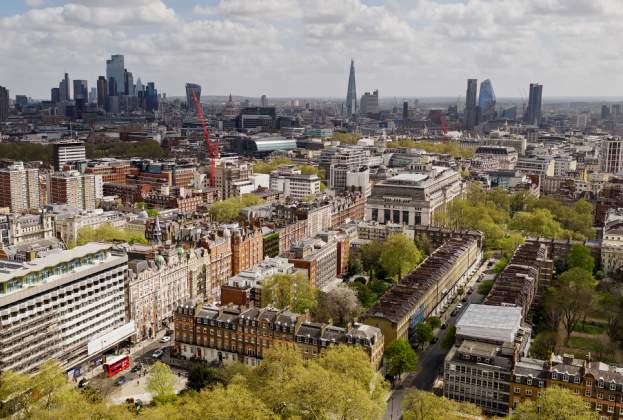
This opportunity is particularly significant. In London alone there are roughly 400 hectares of development sites with planning permission, alongside a substantial number of vacant commercial units. These spaces are often seen as waiting for development to happen. But what if they were instead viewed as assets that could start creating value now?
The projects shared by speakers at our seminar demonstrated the breadth of what is possible. From Aberfeldy Street and Angel Yard to the King’s Cross community gardens and New Story Garden, it was clear how meanwhile projects can give communities a voice in shaping their neighbourhoods, support local enterprise and create a sense of ownership during periods of change.
A clear message that emerged during the discussion was that meanwhile use is not a standard product or a formula to apply to every vacant site. It needs to respond to the character, needs and aspirations of a place. Activity alone does not equal placemaking, and temporary should not mean it is insignificant. The real value lies in what these interventions enable socially, economically, culturally and environmentally, and how their benefits can influence what comes next.
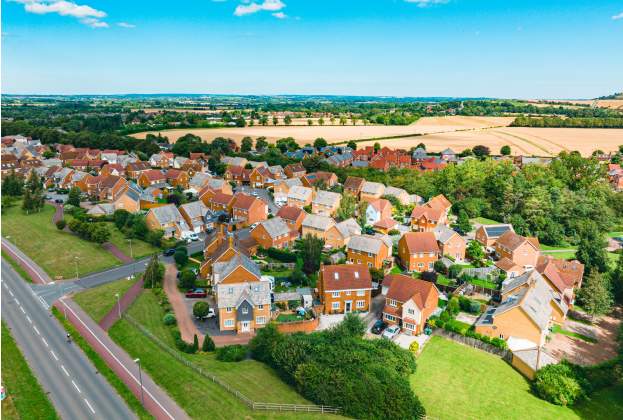
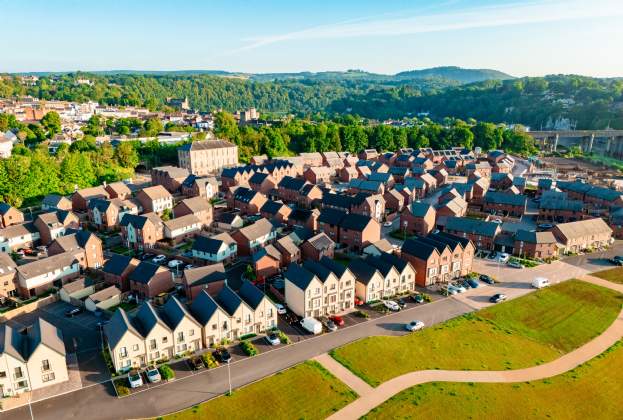
Much of the conversation around meanwhile use focuses on vacant urban sites and buildings. But there is an equally compelling – and perhaps less explored – opportunity on greenfield sites and large-scale new developments.
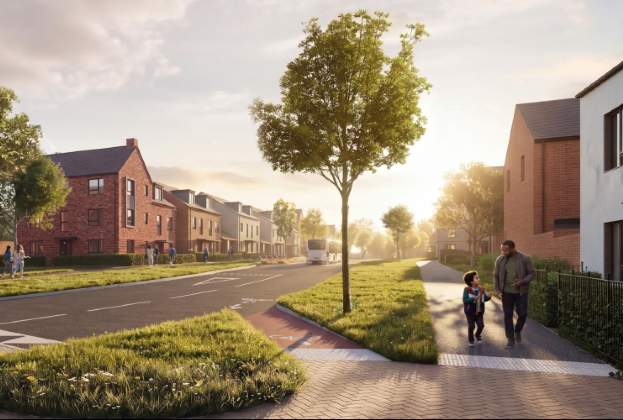
New communities can take years to establish. The homes and infrastructure may arrive in phases, but a sense of identity, belonging and community cannot simply be switched on when the first residents move in.
Could meanwhile uses help create a sense of place before a community is fully established? Community growing spaces, food markets, outdoor learning, cycling and walking hubs, repair workshops, sports and cultural programmes, and spaces for local enterprise could all help people connect with a place from the outset.
These interventions can also help test different ways of living and encourage more sustainable behaviours, from active travel and local food to sharing, repairing and reusing. At a time of climate urgency, we should be thinking about how the development process can help people experience and adopt more sustainable lifestyles, rather than simply designing for them on paper.
The challenge for us is to help our clients see these opportunities early, and to consider how meanwhile activity can support the wider development strategy, influence future phases and leave a lasting legacy.
This is not simply an urban design or placemaking exercise. It requires a collaborative approach across multiple service lines and expertise to help a client understand the full potential of their land and assets.
Planning can connect meanwhile activity to policy, permissions and the wider development framework, while development and economics specialists can explore viable operating models, investment opportunities and how early activity can support the longer-term business case.
Heritage and sustainability experts can play a vital role in assessing the genuine value of retaining and adapting existing buildings on brownfield sites, rather than simply replacing them. This means looking beyond the immediate development opportunity to consider the character and heritage value of buildings, the embodied carbon associated with demolition and new construction, and the operational carbon implications of retaining, upgrading and bringing existing structures back into use.
There needs to be an understanding of the whole-life carbon journey which can inform choices about what we retain, reuse and build.
Social value brings the focus back to people and how we create tangible benefits through local employment and skills, opportunities for businesses, stronger social connections, community capacity and long-term stewardship. Urban design expertise can bring these strands together, creating a spatial vision that connects meanwhile interventions to the wider masterplan and the future potential of a place.
Meanwhile use should not be an afterthought, or something considered only when a site is waiting for its next phase. It deserves a place in the conversation from the very beginning – as part of how we plan, design, develop and deliver places.
Because ultimately, development is not just about what we build, what we retain or how quickly we deliver. It is about the legacy we leave behind; the communities we help create and the future we make possible.
Vinita Dhume is a director for Urban Design and has over 25 years' of experience in urban regeneration and housing renewal, master planning and community engagement.